
Top-Rated Products For Professional Tunnel Installation Projects
Browse a curated selection of high-quality products designed to meet the demands of complex tunnel construction tasks.
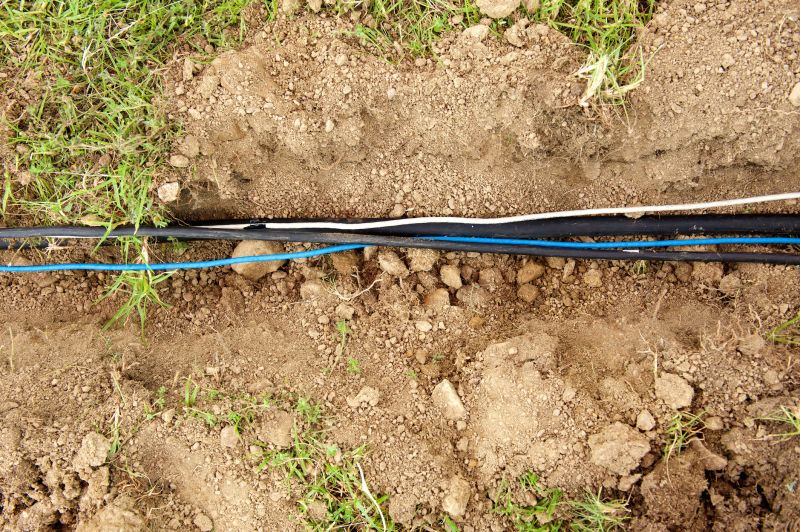 Tunnel installations require specialized products designed to ensure safety, durability, and ease of construction. Whether constructing underground passageways for transportation, creating underground utility corridors, or designing pedestrian tunnels, selecting the right products is essential for project success. These products include a variety of components such as tunnel lining systems, support structures, waterproofing materials, and ventilation solutions. Properly chosen equipment can help manage environmental challenges, provide structural integrity, and facilitate maintenance over the lifespan of the tunnel.
Top Overall Option
Comprehensive Tunnel Support System
A versatile support system that includes a combination of tunnel lining segments, support beams, waterproofing membranes, and ventilation accessories. Designed for adaptability across various tunnel types and conditions, this system emphasizes ease of installation and long-term durability. It provides a reliable foundation for both new constructions and refurbishments, ensuring safety and structural integrity throughout the tunnel's lifespan.
Types of Products For Tunnel Installations
Precast Concrete Segments
Precast concrete segments are used to form the tunnel lining, offering precision and quick installation for underground passages.
Sprayed Concrete (Shotcrete)
A flexible support material applied directly to the excavated surface, providing immediate stabilization and surface reinforcement.
Rock Bolts and Anchors
Support devices used to stabilize the surrounding rock or soil, ensuring structural stability during and after excavation.
Waterproofing Membranes
Protective layers applied to prevent water ingress, crucial for maintaining tunnel integrity and safety.
Drainage Systems
Components designed to channel water away from the tunnel structure, reducing the risk of water damage.
Ventilation Fans
Mechanical systems that ensure proper airflow within tunnels, vital for safety and operational efficiency.
Lighting Fixtures
Durable lighting solutions that provide illumination for construction and operational phases.
Fire-Resistant Barriers
Safety barriers designed to contain fire and smoke, enhancing safety protocols within tunnels.
Emergency Exit Systems
Designated escape routes and safety features to facilitate evacuation during emergencies.
Monitoring Sensors
Sensors installed to monitor structural health, environmental conditions, and safety parameters.
Support Beams and Arches
Structural elements used to reinforce tunnel ceilings and walls, ensuring stability during and after construction.
Sealing and Grouting Materials
Materials used to seal joints and fill voids, preventing water leaks and enhancing structural integrity.
Access Shaft Components
Equipment and support systems for constructing and maintaining access shafts within tunnel projects.
Noise and Vibration Barriers
Materials designed to reduce noise and vibration impacts during construction and operation.
Electrical Conduits
Protection systems for electrical wiring and communication cables within tunnel environments.
Fire Suppression Systems
Integrated systems designed to detect and suppress fires within tunnel spaces.
Popular Choices
Widely used for tunnel linings due to their ease of installation and structural reliability.
Commonly applied for immediate surface stabilization in various tunnel projects.
Frequently selected for stabilizing excavated tunnel walls and ceilings.
Essential for preventing water ingress in many underground tunnel applications.
Popular for ensuring air quality and safety during construction and operation.
Commonly installed to provide illumination in both construction zones and operational tunnels.
Vital for managing water flow and preventing flooding in tunnel environments.
Often incorporated to meet safety standards and protect tunnel users.
Standard safety feature in tunnel designs for evacuation purposes.
Widely used for real-time structural and environmental monitoring.
Commonly employed to reinforce tunnel ceilings and walls during construction.
Frequently used to seal joints and prevent leaks in tunnel linings.
The installation process often involves multiple stages, from initial excavation to final lining and sealing. During excavation, support systems like temporary shields or rock bolts are used to stabilize the tunnel walls. Once the tunnel reaches its desired length, permanent linings such as precast segments or sprayed concrete are installed to reinforce the structure. Waterproofing membranes and drainage systems are then applied to prevent water ingress, which is crucial in maintaining the tunnel’s integrity and safety.
Ventilation and lighting are also critical components of tunnel systems, ensuring safe and efficient operation. Modern tunnel products incorporate advanced ventilation fans, lighting fixtures, and communication systems to support both construction and operational phases. Additionally, safety features like fire-resistant barriers, emergency exits, and monitoring sensors are integrated into the overall design to meet safety standards and facilitate emergency response.
Choosing the right products for tunnel installation involves careful consideration of environmental conditions, expected load, and usage requirements. Durability, ease of installation, and compliance with safety standards are key factors influencing product selection. By investing in quality components tailored for tunnel construction, engineers and contractors can enhance project reliability, safety, and longevity.
Key Buying Considerations
- Environmental conditions and soil type influence product selection.
- Structural load requirements should match the tunnel's purpose and expected traffic.
- Compatibility of materials with existing infrastructure is essential.
- Ease of installation can impact project timelines and labor costs.
- Durability and resistance to water, corrosion, and wear extend the lifespan of components.
- Compliance with safety and construction standards is critical for legal and safety reasons.
- Availability of replacement parts and ongoing support can affect maintenance.
- Flexibility of support systems allows for adjustments during construction.
- Waterproofing solutions should be suited to the level of water exposure expected.
- Ventilation and lighting products must meet safety standards and operational needs.
- Monitoring and safety systems should be capable of integration with existing control systems.
- Cost considerations include initial investment, installation, and long-term maintenance.
- Product warranties and manufacturer reputation can provide additional assurance.
- Environmental impact of products may influence purchasing decisions.
- Future expansion or modification plans should be considered when selecting products.
This page contains affiliate links. We may earn a commission from qualifying purchases, which helps support our content creation.